What does a website need to integrate a USDT / USDC payment gateway?
Prepare a merchant UID and API Key, a wallet on the supported network, merchant order references and a public HTTPS webhook endpoint. Keep credentials on the backend, verify webhook signatures and reconcile orders, amounts and networks. Process repeated notifications once and investigate a timeout before retrying creation.
How do payment APIs, gateways and platforms differ?
At UUGate, payment APIs expose order creation and queries; the payment gateway connects orders, on-chain recognition and webhooks. The payment platform also provides the merchant console, custody wallets, dedicated addresses, payouts, sweeps and fee management. Evaluate the workflow and responsibilities behind these terms.
How should membership services choose a stablecoin payment platform?
Check payer assets and networks, dedicated address binding, webhooks, duplicate handling, sweeps and transaction exports. Calculate plan charges, address allowance and network fees separately. Verify that a top-up credits once and that callback failures can be recovered.
Which networks and assets are supported now?
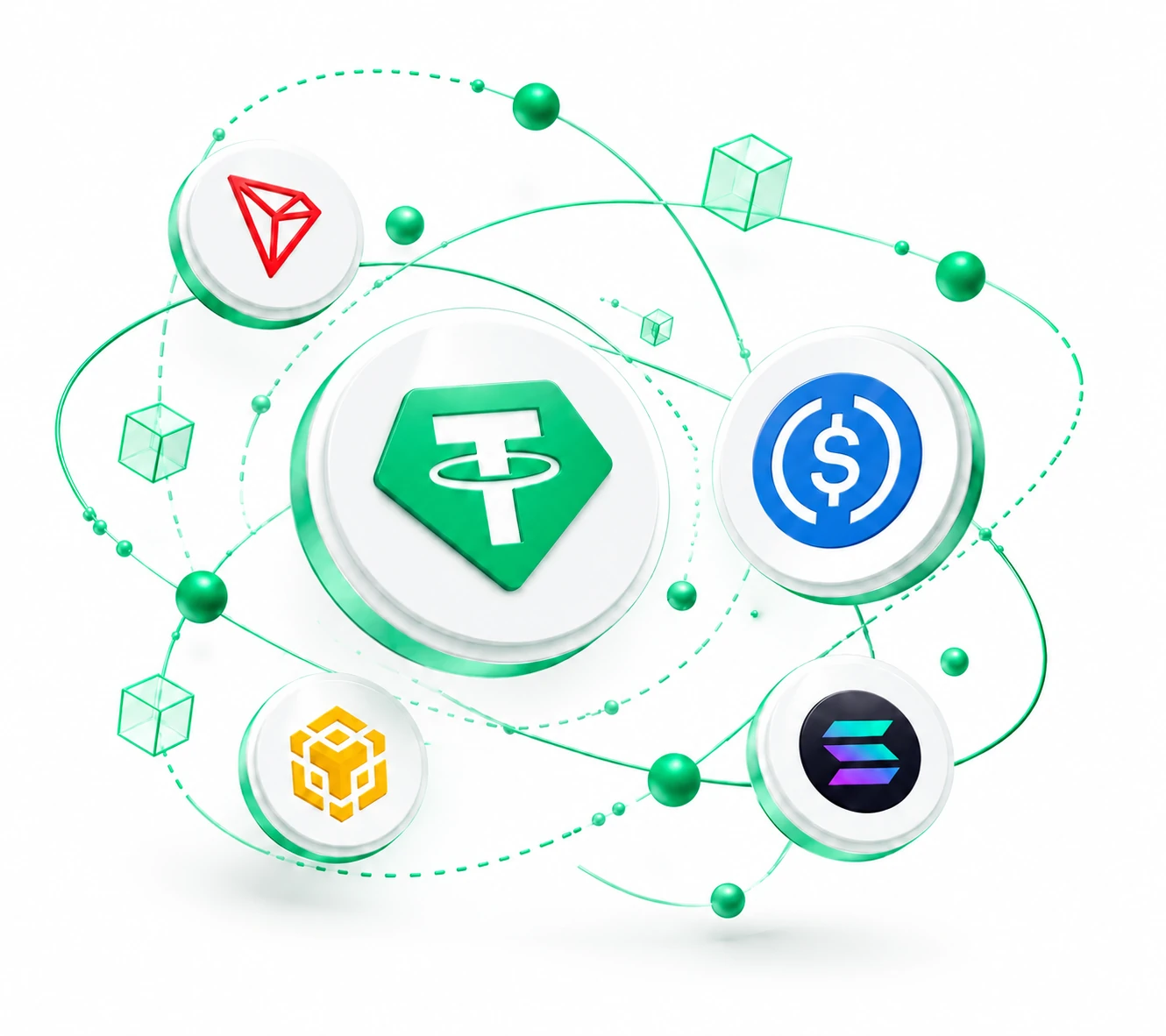
The current core routes are TRON-USDT, BSC-USDT, BSC-USDC, and SOL-USDC for stablecoin collection and payout.
How do custody wallets, dedicated addresses, and imported wallets differ?
Custody wallets are generated and managed by UUGate. Dedicated addresses bind long term to members or business objects. Imported wallets connect existing merchant addresses for monitoring and recognition.
Can I integrate only the API and ignore wallet details?
Yes. You can use hosted wallets and standard APIs for collection, payout, and callbacks without building low-level wallet infrastructure.
Which mode fits member top-up or long-term recharge?
Dedicated addresses are usually better. A member can keep the same address, and incoming deposits trigger recognition and callbacks.
Do payouts and auto sweeps exist?
Yes. UUGate supports API payouts, fund sweeps, and wallet operations. Payout and sweep service fees are currently waived; only on-chain network fees apply.
What do payer address risk alerts do?
They help flag unusual payer addresses early so operations teams can review suspicious deposits and risky funding sources.